Upgrade Your Furnishings with Trendy Dining Room Table Legs
Choosing the Perfect Table: What Styles Job Best for Your Home?
Selecting the suitable table for your home can be a nuanced procedure that stabilizes visual appeals and functionality. Whether your area leans in the direction of conventional beauty, modern minimalism, rustic beauty, or commercial trendy, the variety of styles readily available can cater to varied preferences. Each style supplies one-of-a-kind advantages and challenges that can either boost or interrupt your eating area's harmony. Recognizing how different materials, shapes, and sizes connect with your existing decoration is important. To browse these selections efficiently and find a table that absolutely complements your home, take into consideration the adhering to aspects thoroughly.
Examining Your Room
Evaluating the measurements and layout of your dining area is a critical very first step in choosing the ideal table. Begin by measuring the length and width of the space, making up entrances, home windows, and other building functions that might influence table positioning. This makes certain that your table not only fits yet likewise enables comfortable activity around it.
Think about the variety of people you generally captivate. A table should suit your home's everyday needs while supplying enough adaptability for occasional visitors. Generally of thumb, assign at the very least 24 inches of table width each to guarantee a comfortable dining experience.
It's additionally necessary to maintain ideal clearance around the table. Ideally, there need to go to the very least 36 inches in between the table side and walls or various other furnishings, allowing easy access and motion. For areas where chairs with arms or additional storage systems like buffets are entailed, raising this clearance to 48 inches is a good idea.
Lights and environment play significant roles. Make certain that your dining table lines up with existing lighting fixtures or plan for adequate lighting services. This comprehensive spatial assessment assurances that your table not only fits literally but also balances with your space's total capability and aesthetic.
Popular Table Styles
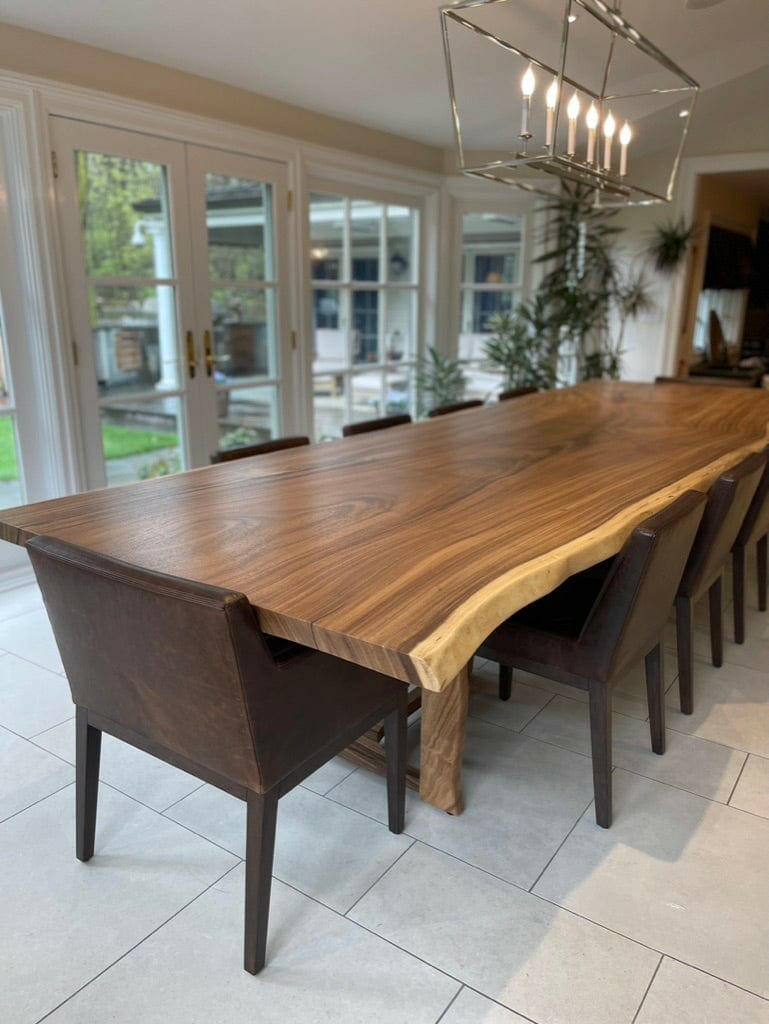
Traditional table typically feature luxuriant details, bent legs, and rich timber finishes, stimulating a feeling of ageless sophistication. They are perfect for homes with classic design or those wanting to include a touch of refinement to their dining area.
Modern eating tables prioritize simpleness and clean lines, typically integrating materials like glass and metal. These tables are excellent for modern areas, providing a streamlined and minimalist look that enhances minimal design ideologies.
Rustic eating tables, on the other hand, emphasize natural products and a handcrafted appearance - dining room table legs. They usually feature redeemed wood and a troubled finish, producing a cozy and inviting environment. These tables work well in farmhouse-style homes or those looking for a cozy, natural feeling
Industrial eating tables integrate raw products such as steel and wood, frequently showcasing an utilitarian aesthetic. This style is fit for lofts or metropolitan spaces, including a touch of tough beauty and toughness to try this the dining experience.
Each design provides distinctive advantages, making it vital to select one that straightens with your home's general layout and your personal choices.
Material Options
When selecting a table, the choice of product plays an essential duty in determining both the table's appearances and performance. Timber, metal, glass, and composite materials each deal distinct advantages and obstacles, making it crucial to align the material with your home's decoration and lifestyle requirements.
Timber is an ageless and flexible alternative, available in ranges such as oak, walnut, and mahogany. Recognized for its resilience and warmth, timber enhances both conventional and modern insides. However, it needs routine upkeep to prevent scratches and warping.
Steel tables, frequently crafted from stainless steel, light weight aluminum, or functioned iron, are commended for their modern appeal and robustness. They are especially fit for industrial or minimalist settings however can be susceptible to damages and might really feel cold to the touch.
Glass dining tables bring an air of sophistication and visibility, perfect for smaller sized rooms as they develop an illusion of even more room. While easy to tidy, glass can be susceptible to smudges and calls for mindful handling to prevent chips and splits.
Composite products, such as MDF and plywood, deal economical and adjustable options, though they may lack the durability of natural materials. Selecting the best material guarantees your table is both a practical possession and a visual delight.
Shape and Size Considerations
After identifying the appropriate product for your table, the next consideration is picking the appropriate form and dimension to fit your space. The shape of the table dramatically affects the space's aesthetic and capability. Rectangular tables, one of the most usual shape, are ideal for larger rooms and can fit a higher number of visitors. They likewise enable an extra official dining experience. Alternatively, round tables foster a feeling of intimacy and are superb for smaller dining locations, encouraging discussion by getting rid of edges and making everybody feel equally consisted of.
As a policy of thumb, designate at the very least 24 inches of table size per individual to guarantee comfy dining. Additionally, think about the table's clearance area: there must be at the very least 36 inches in between the table side and the wall surfaces or other furniture. Prolonging tables use versatility if you often hold bigger events, providing added seating when required without inhabiting added area daily.
Matching Your Design
Selecting a table that balances with click to find out more your existing design is pivotal in developing a natural and inviting room. Begin by analyzing your present interior layout style, whether it be modern, conventional, rustic, or diverse. The table should enhance the general visual, not take on it. A sleek, minimalist table with tidy lines is suitable for a modern home, while a vintage, luxuriant table suits an extra conventional setup.
If your style includes cozy tones and all-natural products, take into consideration a wood table to boost the organic feel. On the other hand, a glass or metal table might be a lot more suitable in an area dominated by amazing colors and industrial components.
A rough-hewn, reclaimed wood table can include character to a rustic room, while a refined marble surface area can boost an extravagant dining area. A well-matched dining table not just improves visual appeal however additionally enhances the general dining experience.

Verdict
Picking the excellent table demands careful consideration of area, design, products, shape, and dimension (dining room table legs). Typical tables enhance traditional interiors with rich wood finishes, while contemporary tables fit modern settings through glass and steel. Rustic styles introduce next page heat using all-natural products, and commercial designs enhance urban settings with raw elements. Integrating the dining table with existing design makes sure both capability and visual charm, adding to a cohesive and visually pleasing dining area.